
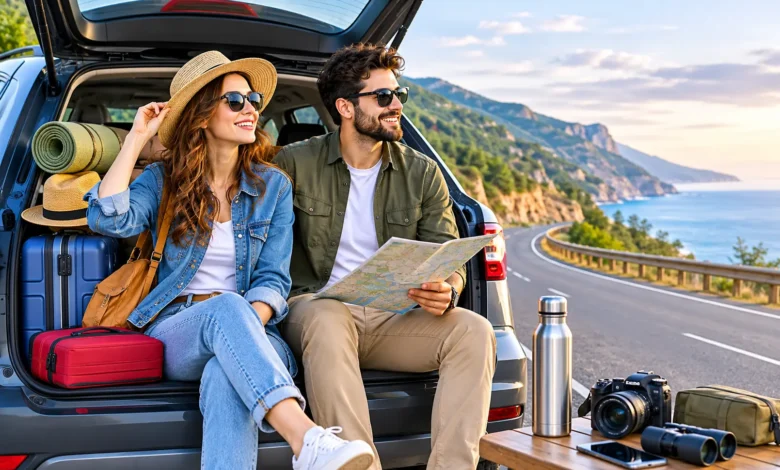
The best road trip tips are not about gadgets or secret routes. They are about a few smart decisions made before you leave and a few easy habits once you are on the road. This guide gives you 15 practical tips on planning, car prep, packing, budgeting, safety and keeping everyone happy in the car.
We have not driven every route mentioned here, so this article sticks to practical, widely applicable advice rather than personal anecdotes. Where something is opinion or a rule of thumb, we say so.
Quick answer: To plan a great road trip, pick a realistic route, get your car checked, pack a small emergency kit, set a daily driving limit, build in rest stops, book key stays ahead of time, and keep a flexible budget. The rest of this guide shows you how.
Quick Road Trip Planning Overview
| Step | What to do | When |
|---|---|---|
| 1 | Choose route and daily distance | 4 to 6 weeks before |
| 2 | Book key hotels or campsites | 2 to 4 weeks before |
| 3 | Service the car | 1 to 2 weeks before |
| 4 | Pack and organize | 2 to 3 days before |
| 5 | Download maps and playlists | Night before |
| 6 | Share your itinerary | Day of departure |
Planning Tips: Before You Leave
1. Start With a Realistic Route
A good route matches your time, not your wish list. Pick your start and end points, mark two or three must-see stops, then leave the rest open. Fewer stops with more time at each is usually more enjoyable than a packed schedule.
Here is a simple way to plan a road trip route:
- Choose your anchor stops, the places you refuse to skip.
- Check the driving time between them in a map app, then add 20 to 30 percent for fuel, food, photos and traffic.
- Look for interesting detours that add less than an hour.
- Save two or three backup stops in case of weather or road closures.
If you are driving across the country, split the trip into legs of a few days each, with one slower “rest” day in the middle.
2. Set a Daily Driving Limit
How many hours should you drive per day on a road trip? There is no official number, but many travelers find that six to eight hours of driving is a comfortable maximum with breaks. Beyond that, fatigue builds quickly and the trip stops being fun.
If you travel with a partner or friend, you can share the driving and go a bit further. If you drive alone or with young kids, aim lower. Plan a stop every two hours or so to stretch, use the restroom and reset.
3. Book Key Stays and Reserve Popular Stops
You do not have to book everything, but reserve the places that fill up: popular national park lodges, campgrounds, big-city hotels and holiday-weekend stays. Leave a few nights open if you want to stay flexible.
Choose lodging with free cancellation when possible. For long hauls, hotels near the highway with easy parking and a quick check-in save time at the end of a tiring day. Many travelers also find that staying just outside a busy city is cheaper and easier to park.
4. Check the Weather, Roads and Closures
Look at the forecast along your whole route, not only at your destination. Mountain passes, desert heat and summer storms can change your plans fast.
Check your state’s department of transportation website or its 511 service for road conditions and construction. This matters most in winter, when passes can close or require chains or traction devices. Download offline maps in case you lose cell signal in remote areas.
Car Prep Tips: Get the Vehicle Ready
5. Prepare Your Car Before a Long Drive
A quick pre-trip check prevents most roadside problems. If you are not comfortable doing it yourself, ask a trusted mechanic to inspect the car one to two weeks before you leave so there is time for repairs.
Check these basics:
- Tires: correct pressure, enough tread and a usable spare.
- Oil and fluids: engine oil, coolant, brake fluid and washer fluid.
- Battery: age and condition, especially in extreme heat or cold.
- Brakes and lights: make sure they all work.
- Wipers: replace worn blades.
- Registration and insurance: keep current copies in the car.
The correct tire pressure is usually listed on a sticker inside the driver’s door frame, not on the tire itself.
6. Build a Small Emergency Kit
You will probably never use it, but it is worth having. A basic kit includes jumper cables or a portable jump starter, a flashlight, a first aid kit, a tire pressure gauge, a phone charger, reflective triangles or flares, a blanket, water and snacks.
In winter, add an ice scraper, a small shovel, gloves and extra warm layers. If you drive through remote areas, carry extra water and let someone know your route. Also know where your spare tire and jack are and how to use them.
7. Know How to Save Gas
Fuel is often the biggest travel cost after lodging. A few habits help it go further:
- Keep tires properly inflated.
- Drive at a steady speed and use cruise control on open highways.
- Avoid rapid acceleration and hard braking.
- Remove roof racks or heavy items you do not need.
- Use a map app to avoid stop-and-go traffic.
- Fill up before you reach very remote areas, since stations can be far apart.
Gas prices vary by region and by how close a station is to a highway exit. Apps can help you compare prices along your route, but do not drive far out of your way to save a few cents.
Packing Tips: What to Bring on a Road Trip
8. Pack Smart and Stay Organized
The good news about road trips is that you can bring more than on a plane. The bad news is that a car fills up fast and clutter becomes distracting. Pack one “in-car” bag with items you need at hand and keep the rest in the trunk.
A simple road trip packing checklist:
- Documents: license, registration, insurance, reservations, and any park or toll passes.
- Clothes: layers, comfortable shoes, one dressier outfit and a rain jacket.
- Toiletries and medication: in a small bag you can grab quickly.
- Tech: phone mount, chargers, power bank and cables.
- Cleaning items: wet wipes, tissues, hand sanitizer and a trash bag.
- Food and drink: a cooler, reusable water bottles and a few snacks.
Packing cubes keep clothes separated by day or type. If you want ideas for a stylish and organized setup, see our guide to Jenni Bag travel picks.
9. Keep Snacks and Meals Simple
Good food makes the trip better and saves money. Pack a cooler with fruit, sandwiches, cheese, nuts, yogurt and plenty of water. Save restaurant meals for the places you actually want to experience.
Choose snacks that are not messy or too sugary, since sugar crashes make long drives harder. Salty, protein-rich items such as nuts and jerky often keep you fuller for longer. Keep a small bag for trash so the car stays clean.
Budget Tips: How to Save Money on a Road Trip
10. Set a Budget and Track the Big Costs
Road trip tips on a budget start with knowing where the money goes. The main costs are fuel, lodging, food, attractions and tolls or parking. Write down an estimate for each, then add a cushion of about 10 percent for surprises.
Here is how to cut costs without losing the fun:
- Lodging: book early, use free cancellation, and look for places with free breakfast or a kitchenette.
- Food: pick up groceries and have picnic lunches, then enjoy one nice dinner.
- Attractions: research free viewpoints, state parks and town squares.
- Passes: if you plan to visit several national parks, compare the cost of an annual pass with single entry fees on the official park service website.
- Tolls: check whether your route has tolls and whether a transponder helps.
For more ways to stretch your travel money, browse our Lifestyle section.
11. Find Cheap Hotels Without Sacrificing Comfort
To find cheap hotels on a road trip, compare prices across a few booking sites and the hotel’s own page, look at places a short drive from tourist centers, and check what is included, such as parking and breakfast. Weeknight stays are often cheaper than weekends.
Read recent reviews for cleanliness and noise, and check the location in a map app so you do not end up far from your route. A clean, quiet room often matters more than a luxury lobby when you are only there to sleep.
Safety and Comfort Tips: Stay Alert and Happy
12. Stay Awake and Alert on Long Drives
How do you stay awake while driving on a long road trip? The safest answer is to stop and rest when you feel tired. Caffeine, loud music and open windows may help for a few minutes, but they do not fix real fatigue.
Try these habits instead:
- Get a full night of sleep before a long driving day.
- Start early or take breaks at the times you naturally feel sleepy, often mid-afternoon.
- Take a break every couple of hours and walk for five to ten minutes.
- Share the driving when you can.
- If you notice yawning, drifting or missing exits, find a safe place to stop. A short 15 to 20 minute nap can help.
- Avoid heavy meals before driving.
Never push through drowsiness. A late arrival is better than an accident.
13. Plan for Solo and Women Traveling Alone
Road trip tips for driving alone start with sharing your plans. Send your itinerary to someone you trust, and check in at set times. Keep your phone charged, and carry a car charger and a power bank.
A few more habits help solo travelers feel safer:
- Fill the tank before it drops below a quarter.
- Park in well-lit, busy areas and keep valuables out of sight.
- Have your keys ready before you reach the car.
- Book accommodation with good reviews in safe areas, and check in during daylight when you can.
- Trust your instincts. If a stop feels wrong, leave.
These tips apply to anyone traveling alone, not only women, but they are especially useful when you are driving in unfamiliar places.
14. Keep Kids, Pets and Passengers Comfortable
Families and kids. How do you keep kids entertained on a road trip? Plan short, frequent breaks, bring audiobooks, games and a few new small toys, and let them help choose a stop. Pack a snack bag and a change of clothes within reach. Never remove a child from their car seat to settle them while the car is moving.
Car sickness. If someone gets queasy, seat them in the front or where they can see the horizon, keep fresh air flowing, avoid reading, and stop for breaks. Light snacks such as crackers can help. Talk to a doctor or pharmacist about medication before the trip.
Pets. Pets should be secured with a harness or crate, never loose in the car. Bring water, a bowl, waste bags, vaccination records and a recent photo of your pet. Never leave a pet alone in a parked car, since temperatures can rise dangerously in minutes.
Couples and friends. Agree on a few ground rules before you leave, such as who drives when, how often you stop, and how you pick music or podcasts. A quick check-in at the end of each day keeps small annoyances from growing.
15. Leave Room for Flexibility
The best road trips have a plan and some space. Leave a few hours each day unscheduled so you can follow a good recommendation, take a scenic detour or simply rest. A “maybe” list of nice-to-have stops lets you drop things without feeling like you failed.
Bring paper copies of key documents and a physical map or atlas as a backup, since some areas have no cell service. Download offline maps, playlists and podcasts the night before.
Road Trip Tips for Special Situations
Winter road trips
Check tires, battery and antifreeze, and carry extra blankets, a shovel, an ice scraper and a flashlight. Drive slower than usual, leave extra distance and avoid driving at night in bad weather. Check road conditions before every leg.
First-time road trippers
Keep your first trip short, like a long weekend within a few hours of home. You will learn how long you like to drive, what you forget to pack and how you handle breaks, without a major commitment.
A week-long trip
Plan on one or two laundry opportunities or pack for about five days. Choose a base for two nights in the middle so you do not repack every day.
How to avoid traffic
Leave early in the morning or later in the evening, avoid big city rush hours (usually mornings and late afternoons on weekdays), and check live traffic before each leg. Holiday weekends are the busiest, so travel midweek if you can.
Frequently Asked Questions
How do I plan a road trip?
Choose your destination and route, set a daily driving limit, book key stays, check your car, and write a simple budget. Then pack, download offline maps and share your itinerary.
What should I bring on a road trip?
Bring your license and registration, insurance, phone mount and chargers, a first aid and emergency kit, water and snacks, layered clothing, a trash bag and any medication you need.
How many hours should you drive per day on a road trip?
Most travelers do best with six to eight hours of driving, including breaks. Drive less if you are alone, traveling with young kids or heading through mountains or bad weather.
How can I save money on a road trip?
Book lodging early, pack groceries and a cooler, keep tires properly inflated, drive at steady speeds and look for free attractions. Track your spending daily so you can adjust.
How do I prepare my car for a long trip?
Check tires, oil, fluids, battery, brakes, lights and wipers one to two weeks ahead. Carry a spare, a jump starter and an emergency kit.
How do I keep kids entertained in the car?
Use audiobooks, travel games, snacks and short stops. Let kids choose a few activities and keep new items hidden until they need a boost.
How can I stay safe on a road trip?
Share your itinerary, rest when tired, keep the car in good shape, avoid driving in severe weather and keep valuables out of sight. If you drive alone, check in regularly.
Final Thoughts: Make Your Next Road Trip Smoother
The best road trip tips come down to three things: plan a route you can actually enjoy, prepare your car and your bag, and leave room for the unexpected. You do not need perfect planning, only enough to avoid the common stress points.
Before you leave, write a short list of your must-see stops, your daily driving limit and your top three safety items. Then share it with someone and hit the road. For more trip ideas and planning guides, browse the Bunbin Magazine Travel section.